Posted on Leave a comment

How to Use Spooky2 for Leg Pain Relief

Leg pain is discomfort or pain in the area between the groin and ankle, usually, the pain subsides within a few days, however, when leg pain persists for more than two weeks, we should pay attention to this problem, as it may be a body issue are warning signs of a serious condition, so it’s critical to understand the causes of leg pain and how to deal with it.

In most cases, leg pain is caused by spasms or injuries that usually occur during exercise, and overuse of the muscles can cause muscle fibers to spasm or tear, which can lead to leg pain. Certain medical conditions can also cause leg pain, and these include:

  • Peripheral arterial disease (PAD), which causes problems with blood flow to the legs.
  • Deep vein thrombosis, which is a blood clot caused by prolonged bed rest.
  • Osteomyelitis, or cellulitis, refers to an infection of the bones, skin, or soft tissue.
  • Arthritis, or gout, can cause inflammation of the joints in the legs.
  • Nerve damage, which is common in people with diabetes, smokers and alcoholics.
  • Varicose veins

If symptoms are not severe, you can always use home remedies for leg pain. Wear compression socks or stockings. Specially designed socks or stockings provide a steady squeeze on your legs to improve circulation and eliminate swollen veins. Apply ice to the affected area of ​​the leg, you can do this for 15 minutes at a time, four times a day. Gently stretch your muscles, and if the pain is in the lower leg, you can point and straighten your toes while sitting or standing, and if the pain is in the upper leg, you can bend over and touch the toes.

How does Spooky2 help relieve leg pain?

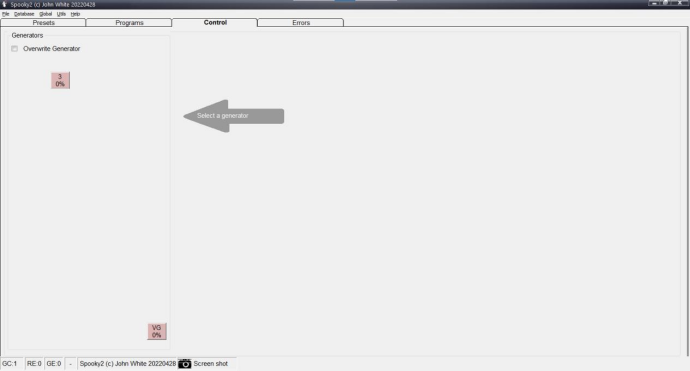
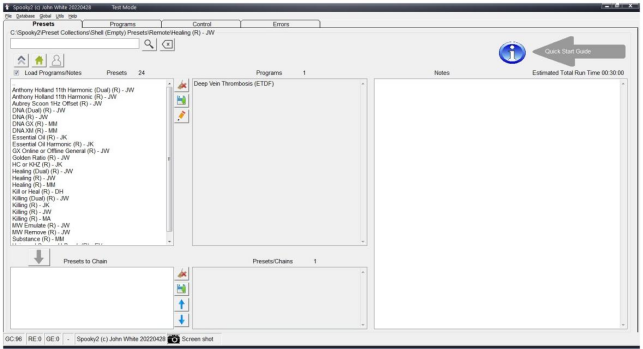
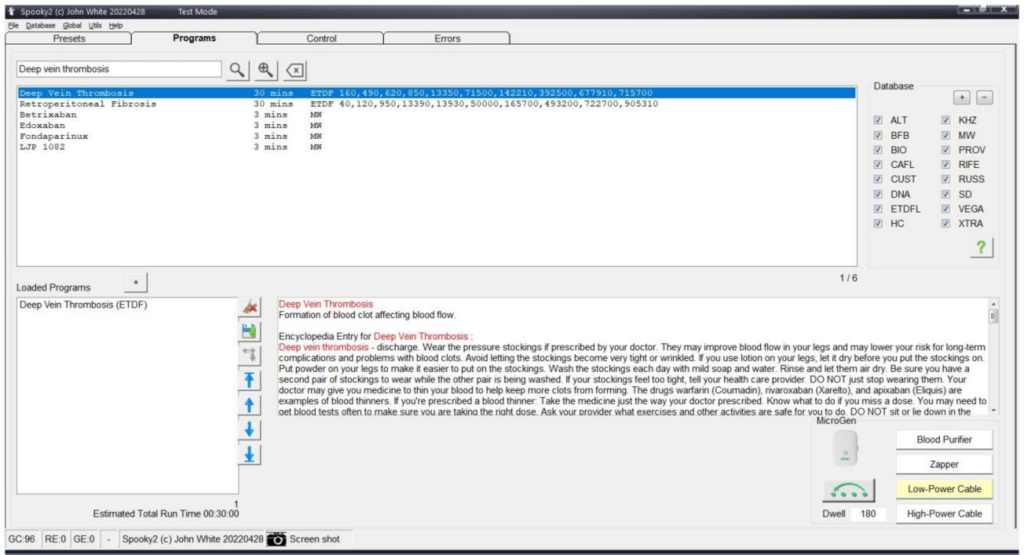
Frequency Healing Therapy is an alternative therapy that has no side effects compared to traditional medical therapy and is a good option if you are looking to relieve leg pain naturally. Of all the leading frequency therapy devices on the market, the Spooky2 is one of the best with the world’s largest frequency database of over 35,000 programs dedicated to giving you accurate and accurate results for all kinds of imbalances in energy and pain. and beneficial frequencies. You can use these frequencies to help yourself or your family. For leg pain, if the underlying cause is found, you can use specific procedures to relieve it. Take the Spooky2 remote mode as an example, go to the presets tab, select Shell (Empty) Presets > Remote > Healing (R) – JW, go to the “Programs” tab and search for the medical condition that is causing your pain (eg: deep deep vein thrombosis), then select the program you want, go to the “Control” tab, tick “Overwrite Overwrite Generator”, select your generator port, and click the “Start” button to start .
Posted on Leave a comment

How to identify the correct port number in Spooky2

Many customers are confused about how to identify the Spooky2 XM Generator or GeneratorX/GeneratorX Pro engine ports in the software, so the following paragraphs will show you how to find the correct port number for each engine in the Spooky2 software.

How Spooky2 XM Generator recognizes port numbers

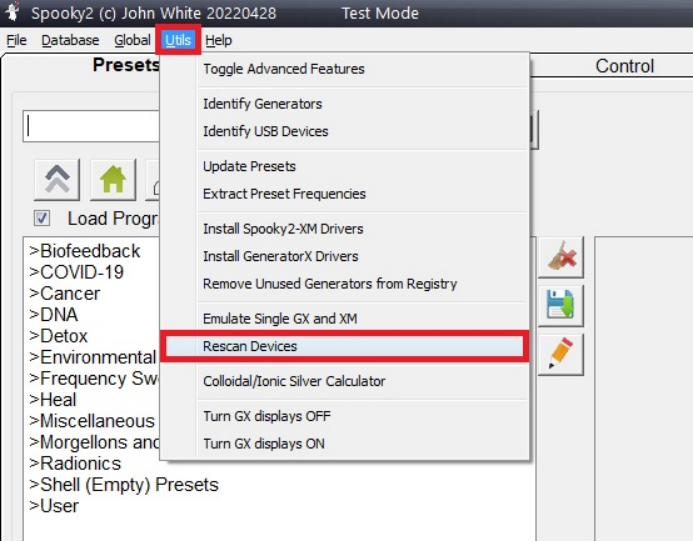
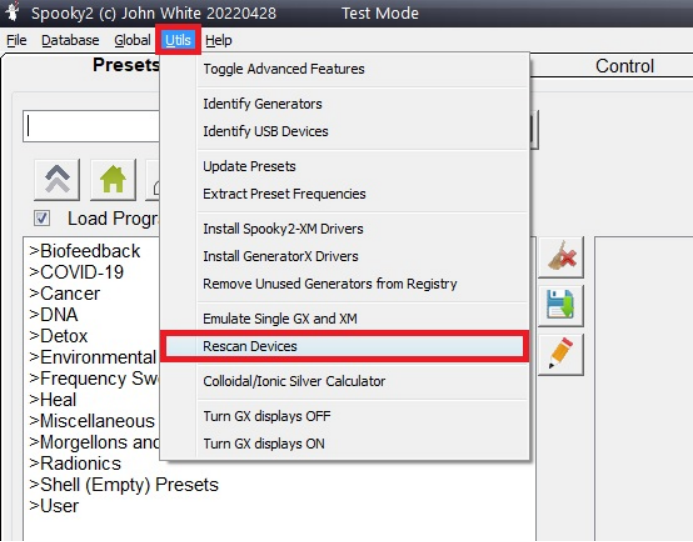
First, connect your Spooky2 XM to your PC or laptop, then turn on Spooky2 XM and open your Spooky2 software. Go to the “Control” tab and you will see your engine on the left side of the screen. If your generator is not detected, go to “Utils” and click Rescan for devices. Spooky2 XM has only one port, so it’s easy to find its port number. If you want to use multiple XMs at the same time, we recommend that you connect them one by one. Once one engine is identified, you can make notes on it and connect the next, click on Rescan Devices and the new Generator Port Number that will appear on the screen will be the second XM.

How to identify the port number of GeneratorX/GeneratorX Pro

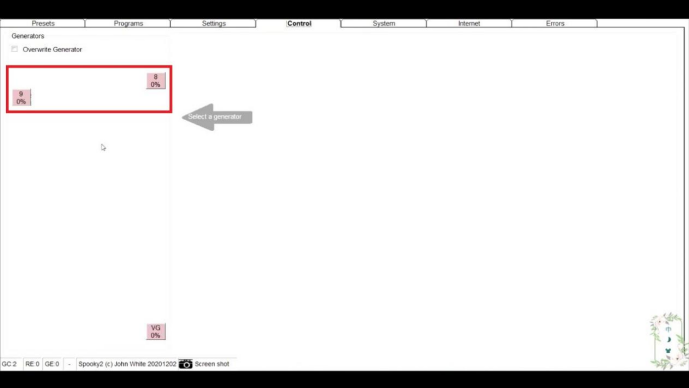
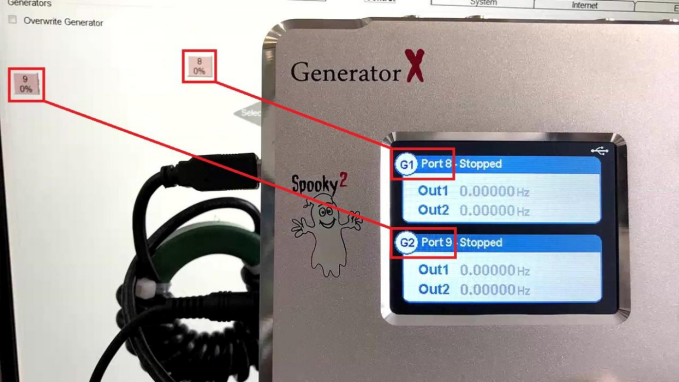
Once the GX/GX Pro engine is connected, open the Spooky2 software, go to the “Control” tab, you will see two port numbers on the left side of the screen, as each GX/GX Pro has two generators built into it. If your generator is not detected, go to Utils and click Rescan device. Now, check the engine’s display to identify the ports, for example, in the image below, you can see that G1 is port 8 and G2 is port 9.

Posted on Leave a comment

Using Spooky2 to Relieve COPD Symptoms

To explain you three methods of using Spooky2 to relieve COPD symptoms as below:

1. Using COPD Programs

Step 1: Terrain Protocol

This is the first thing you do before you start any Spooky2 programs. The Terrain Protocol detoxifies and prepares your body to be more available or receptive to Rife frequencies, maximizing the health benefits.

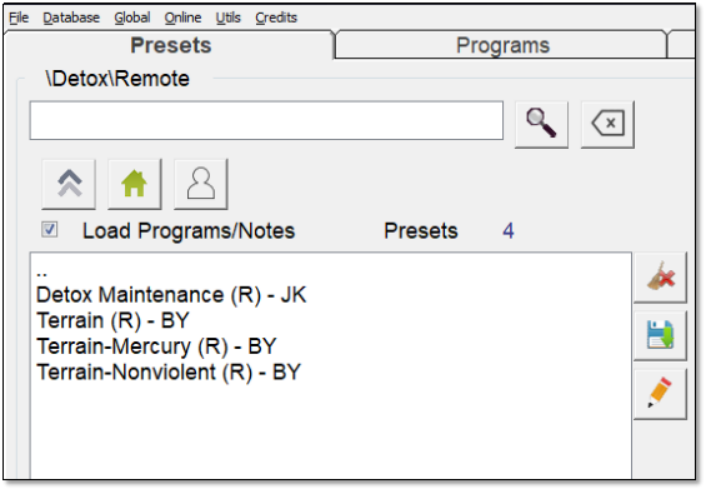
Click >Detox>Remote in the Presets tab and choose Terrain (R) – BY. It runs for 11 days and then repeats itself. You can also run the Terrain protocol in other modes.

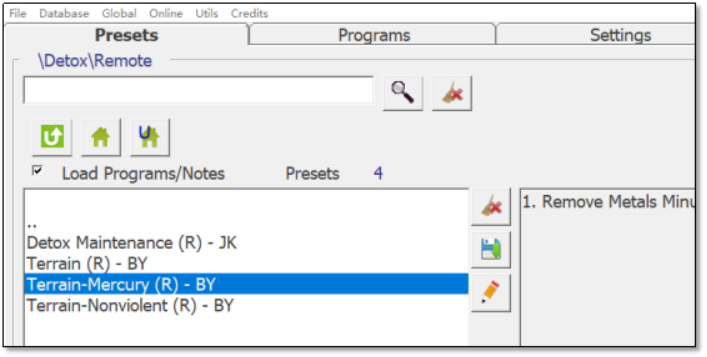
If you have mercury amalgam fillings, use Terrain-Mercury preset. Click >Detox>Remote>Terrain-Mercury to find it.

Step 2: Healing Shell Preset + COPD Programs + Detox

After running the Terrain Protocol, you’re ready for the next step.

Choose a healing shell preset in the Presets tab, and then go to the Programs tab.

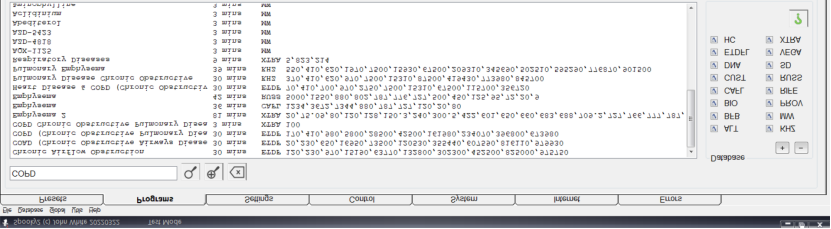
Type “COPD” in the search bar and find suitable programs you need according to the Program Description.

Run this preset on one generator and run a detox preset on another generator at the same time.

Notes:

If you only have one generator, you could create a preset chain. Click here to know what is a preset chain, and how to create it.

You could also try some programs for your lungs because COPD is a problem in your lungs.

2. Using Biofeedback Scan Results

You can also try running Spooky2’s Biofeedback Scan (BFB) and then run the results. The lungs are very close to the heart, so we recommend that you use these two methods for biofeedback scans: Biofeedback scans using sputum as a sample using the GX sample digitizer scan.

3. Using Colloidal Silver

Colloidal silver is an antibiotic, anti-virus, and anti-fungal substance for preventing and relieving numerous diseases. It becomes even more helpful in dealing with lung diseases. A little colloidal silver poured into your nebulizer can sanitize the steroid inhaler.

Posted on Leave a comment

Youtube video explaining COPD symptoms, causes and traditional treatments

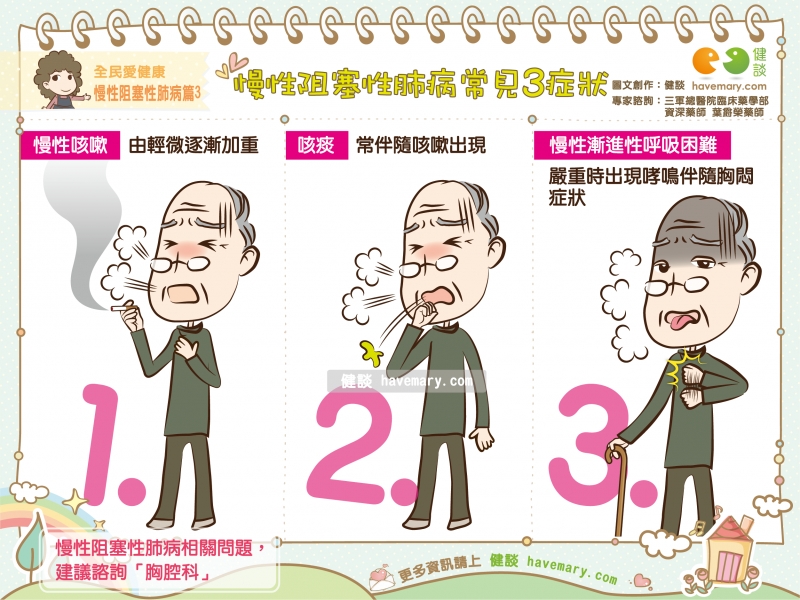
Symptoms of chronic obstructive pulmonary disease usually appear after significant lung damage has developed, and they often worsen over time, especially if exposure to smoking continues. COPD is often misdiagnosed, and ex-smokers may sometimes be told they have COPD when in fact they may have a simple disorder or another, less common lung disease. Likewise, many people with COPD may not be diagnosed until the disease is advanced and interventions are less effective. Symptoms of COPD include:

  • shortness of breath during daily activities or physical activity
  • chronic cough
  • respite
  • tightness in the chest
  • frequent respiratory infections
  • bluish lips or nail beds
  • malaise and low energy or chronic fatigue syndrome
  • Producing a lot of mucus or phlegm Having to clear the throat first thing in the morning due to excess mucus in the lungs
  • Unexpected weight loss (late stage)

If you frequently experience one or more of the above symptoms, you definitely need to seek medical advice. Diagnosis Multiple tests include: lung (lung) function tests, chest X-rays, CT scans, spirometry, arterial blood gas analysis, laboratory tests COPD has four stages:

Stage 1 – very mild COPD

Stage 2 – Moderate COPD

Stage 3 – severe emphysema/chronic bronchitis

Stage 4 – very severe COPD

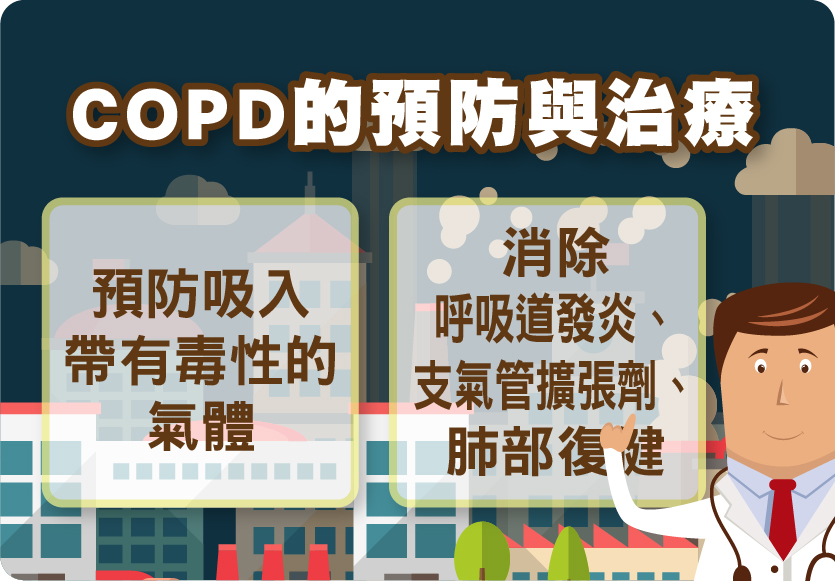
Each of these stages affects each patient differently, but in general, the higher the stage of COPD, the shorter the life expectancy. In developed countries, the main cause of COPD is smoking. In developing countries, chronic obstructive pulmonary disease usually occurs in poorly ventilated houses, with smoke from people burning fuel for cooking and heating. Underlying causes and risk factors for COPD include: smoking, tobacco smoke exposure, smoking asthmatics, occupational exposure to chemicals and dust, genetics (approximately 1% of childhood COPD patients). Traditional treatments include:

  • quit smoking
  • Medications – bronchodilators, inhaled steroids, combination inhalers, oral steroids, phosphodiesterase 4 inhibitors, theophylline, antibiotics,
  • Pulmonary Therapy – Oxygen therapy, pulmonary rehabilitation programs that often combine education, exercise training, nutritional advice and counseling.
  • Surgery includes – Lung volume reduction surgery, Lung transplant, Bullectomy.

Watch the following youtube video explaining the symptoms, causes and treatment of chronic obstructive pulmonary disease (COPD) in detail.

How to Treat COPD Symptoms Naturally

If you’re willing, there are many ways to treat and reduce your risk of chronic obstructive pulmonary disease with your own efforts and natural treatment. But first, you must realize you have COPD symptoms to begin with – then you can pinpoint exactly how to treat them.

  1. Before you use any medication or technique, The most important is to make an inner decision: “I want to regain fullness and beauty of life”, I deserve good life and a am open to all good to come in my life. When you make a decision that you sincerely want to regain your health then you are ready to start with practical steps and techniques. Then recovery will be pleasant and fast. But it is not easy at all because this decision practically means removing the root cause of your problem, so you will start with a number of smaller and easier activities enumerated below.
  2. The simplest is to start using Spooky 2 programs, a quantum technology that makes wanders. Then every day learn a new area, mentioned below, and start applying in your daily life, eventually, you will be a new person. You will experience your real self you will love.
  3. Reduce Stress & Increase Experience of Pleasure and Beauty – Find as often as possible anything that will increase your feeling of beauty, relaxation, and joy. It may be art, music, children, good food, clothing you like, massage, reading book, poetry or any other experience you enjoy. Stress is the fertile ground for all health issues and diseases, COPD too, and makes airway inflammation and shortness of breath, worse. By reducing your daily stress and managing stress in healthy ways, you’re more relaxed, and this has a direct positive effect on your COPD symptoms. You should make time every day to relax both mentally and physically. Try some of these natural stress relievers like Yoga and Transcendental Meditation.
  4. Avoid Smoke in Every Way –The most essential step in conventional and natural treatment plan for COPD is the same – stop any and all forms of smoking, including the electronic cigarette. You should also avoid air pollution as much as possible. If you’re not a smoker, then you definitely need to avoid places where others smoke. Smoking yourself is definitely the worst thing you can do when it comes to COPD, but secondhand smoke and air pollution can damage and irritate your lungs too.
  5. Improve Your Breathing –The yoga tradition has very effective berating techniques and it is worth learning it to help you breathe more efficiently with COPD. These breathing techniques can also help improve breathing for people with asthma as well as people who don’t currently have lung issues but want to optimize their breathing and energy level. The pursed-lip breathing and diaphragmatic breathing may increase your blood oxygen levels and help reduce shortness of breath. A respiratory therapist can be very helpful if you need assistance with breathing techniques.
  6. Follow a Healthy Diet –A healthy organic (food without herbicides, pesticides, preservatives, stabilizers, artificial colors and tastes) can help manage and improve COPD symptoms. Your diet should definitely have plenty of fresh vegetables and fruits to ensure you’re getting lots of vitamins, minerals and fiber. Citrus fruits are especially helpful because they contain quercetin. Wild-caught fish, flaxseeds and chia seeds, along with other omega-3 foods, can provide anti-inflammatory omega-3 fatty acids. Also you definitely want to steer clear of conventional dairy since pasteurized dairy is mucus-producing and can plug the airways in the lungs. You always want to stay away from processed, canned and frozen foods and sugar as well. Additives, preservatives and food dyes are also known for contributing to breathing issues and even asthma attacks.
  7. Exercise –When you’re having trouble breathing, exercise might seem like a terrible idea, but being sedentary won’t do anything to help your COPD symptoms. By regularly getting exercise, especially cardio workouts, you can strengthen your respiratory muscles and improve your overall endurance. About 40 percent of people with COPD experience high levels of depression and anxiety, which makes it even more difficult to quit smoking and comply with treatment. Exercise also increases endorphin levels, which improves mood, reduces depression and anxiety, and makes it easier to quit smoking. Increase Water Intake – One of the common and frustrating COPD symptoms is having mucus collect in your airways. This mucus can be difficult to clear and result in persistent and uncontrollable coughing. You can improve this mucus problem is by drinking plenty of water throughout the day. Drink at least eight glasses of water daily to thin mucus and stay hydrated. You can increase the moisture content of the air in your home by using a humidifier. Humidifiers can also help make breathing easier.
  8. Eucalyptus Oil– can be very helpful for people with COPD. A study in Respiratory Research showed that cineole, the main constituent of eucalyptus essential oil, actually reduced cough attacks in people with COPD. It also reduces shortness of breath and improves lung function as well as health status overall. The best is to use eucalyptus oil in a diffuser and/or humidifier and breath in the anti-inflammatory air. (Eucalyptus oil isn’t suitable for young children. It is too strong.)
  9. Consume Ginseng– Ginseng improves lung function and also decrease bacteria in the lungs. Panax ginseng, in particular, has a long history of use in Chinese medicine for respiratory conditions, including asthma and COPD. A study published in the journal Complementary Therapies in Medicine provides info on therapeutic ginseng benefits. Panax ginseng and ginsenosides (active components of ginseng) appear to inhibit processes related to the development of COPD.
  10. Take N-Acetylcysteine (NAC)- Supplementing with NAC helps decrease the severity and frequency of asthma attacks and improves overall lung function by increasing glutathione levels and thinning bronchial mucus. Glutathione fights against oxidative stress in the respiratory tract, which can make NAC a powerful and effective natural treatment for COPD.
  11. Avoid Cold and Crowds – it’s important to avoid things that make you feel worse: smoke and pollution, cold air can trigger bronchospasm, put on a face mask before going out into very cold temperatures, avoid large crowds, reducer risk of being exposed to infectious germs.
  12. Stay Away From Chemicals – In a 2015 study looking at 167 participants diagnosed with COPD, more than 60 percent of participants reported cleaning supplies as a trigger for COPD symptoms. More than 50 percent of participants reported trouble after being exposed to perfumes, scented candles or insect spray. About 50 percent reported hairspray as a problem for their COPD. By using natural DIY household products, you can avoid chemicals and improve your COPD symptoms.
Posted on Leave a comment

Youtube Video to Introduce Chronic Obstructive Pulmonary Disease (COPD)

Chronic Obstructive Pulmonary Disease (COPD), one of the deadliest lung diseases, interferes with breathing, a respiratory disease characterized by an abnormal inflammatory response in the lungs and restricted breathing, both of which make life difficult The most important thing – breathing. Chronic obstructive pulmonary disease includes chronic bronchitis, emphysema, bronchiectasis, and chronic airway obstruction. Usually, the first symptoms of emphysema appear in heavy smokers in their 50s. People with chronic asthma can develop airway obstructions, making them more likely to develop COPD.

Prevalence decreased as income increased (from 9.9% among those earning less than $25,000 a year to 2.8% among those earning more than $75,000 a year). Women are more likely to die from COPD than men. 38.7% of those reporting COPD were smokers, 43.7% had a history of asthma, and about 40% of COPD patients experienced high levels of depression and anxiety, making treatment and quitting more difficult. These diseases are often characterized by irreversible respiratory limitation, which has no cure, but regular treatment can slow the progression of the disease. Welcome to the following youtube video explaining Chronic Obstructive Pulmonary Disease (COPD) in detail.