Posted on Leave a comment

Electrocardiography (ECG)

Electrocardiography (Electrocardiography, ECG, or EKG) is a diagnosis and treatment technique that records the electrophysiological activity of the heart in units of time through the body wall, and captures and records it through electrodes that touch the skin. This is a non-invasive recording method. The etymology of Electrocardiography comes from three Greek words: “electro”, because it is related to electrophysiological activities, “cardio”, the Greek “heart”, and “graph”, a Greek root meaning: “description” .

The working principle of the electrocardiogram: each time the heartbeat depolarization of the myocardial cells will cause a small electrical change on the skin surface, this small change is captured by the electrocardiogram recording device and magnified to describe the electrocardiogram. When the cardiomyocytes are in a resting state, there is a potential difference formed by the difference in the concentration of positive and negative ions on both sides of the myocardial cell membrane. Depolarization is the process in which the potential difference of the cardiomyocytes rapidly changes to zero and causes the myocardial cells to contract. In a cardiac cycle of a healthy heart, the depolarization waves generated by the sinoatrial node cells propagate in the heart in an orderly manner, first to the entire atrium, and then to the ventricle through the “internal conduction pathway”. If two electrodes are placed on any two sides of the heart, then the minute voltage changes between the two electrodes can be recorded during this process and can be displayed on the ECG paper or monitor. The electrocardiogram can reflect the rhythm of the entire heart beat, as well as the weak part of the heart muscle.

Usually more than 2 electrodes can be placed on the limbs, and they can be used as a pair for measurement (such as the left arm electrode (LA), the right arm electrode (RA), and the left leg electrode (LL) can be combined as follows: LA+RA, LA+LL, RA+LL). The output signal of each electrode pair is called a set of leads. Simply put, the lead is to look at the changes in the heart current from different angles. The types of ECG can be distinguished by leads, such as 3-lead ECG, 5-lead ECG and 12-lead ECG, etc. The 12-lead electrocardiogram is the most common type in clinical practice. It can record the potential changes of 12 sets of leads on the body surface at the same time, and depict the 12 sets of lead signals on the electrocardiogram. It is often used for one-time electrocardiogram diagnosis. 3-lead and 5-lead electrocardiograms are mostly used in situations where the electrical activity of the heart needs to be continuously monitored by a monitor, such as during surgery or during monitoring during ambulance transfer of patients. Depending on the instrument, the results of this continuous monitoring may sometimes not be recorded completely.

The electrocardiogram is the best way to measure and diagnose abnormal heart rhythms. It is used to diagnose abnormal heart rhythms when the electrical conduction tissue of the heart is damaged, as well as changes in heart rhythm caused by electrolyte imbalance. In the diagnosis of myocardial infarction (MI), it can specifically distinguish the area of ​​myocardial infarction (but not all changes in the electrical activity of the heart can be recorded). The electrocardiogram cannot fully assess the pumping ability of the heart, which is usually done by echocardiography or nuclear medicine. In some cases, patients with normal ECG images may have cardiac arrest (a condition called electromechanical separation).

SinusRhythmLabels.svg
Posted on Leave a comment

Introduction of IPC’s Quantum Frequency Technology

IPC uses its specially developed Euphoria technology to generate accurate and stable Proton Vibration Alignment (PVA) Field. IPC inventions have successfully applied the technology to products in many different industries, including frequency therapy.

Euphoria technology is based on quantum mechanics operating on the picometer scale, that is, skin technology; microtechnology refers to manipulating matter on the scale of one trillionth of a meter; it is more advanced than traditional nanotechnology and is 1,000 times smaller in size.

An atom has three main particles, namely protons, electrons and neutrons. The PVA field created by Euphoria technology aligns the vibrations and movements of protons and electrons in all substances, thereby fundamentally enhancing their physical properties.

IPC’s Euphoria technology is a new invention. Let us continue to pay attention to its development and let us know if we have other information.

IPC company website -> -> http://www.ipcgp.com

Euphoria Technology
Posted on Leave a comment

Introducing the MindPlace Limina AVS light and sound meditation system

The MindPlace Limina AVS system uses sound waves and light waves for frequency therapy. The combination of sound and light can keep your mind away from distractions. When using the Limina system, the pressure is less and the concentration is more concentrated. Limina is perfect for anyone who wants to improve their psychology, emotions and spirit. healthy person. After using this device a few times, you will find that it can improve your work efficiency and eliminate unnecessary thoughts.

I have tried this device. It can indeed calm people’s minds and is suitable for psychotherapy. However, the effectiveness of physical illness and pain depends on whether the frequency is appropriate, and the effect may be less effective.

Limina company website -> -> https://mindplace.com/

Posted on Leave a comment

Introduction to Spectrum Low Light Therapy

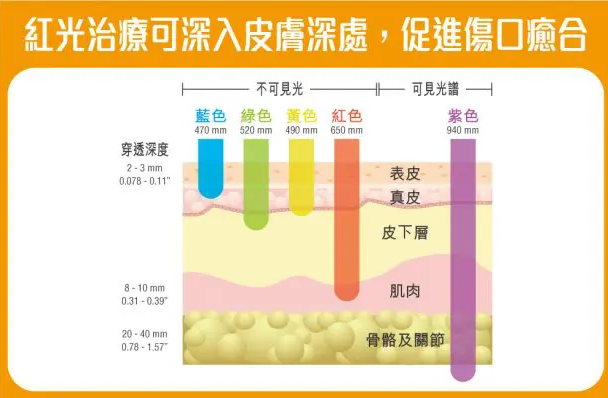
The nature of light is electromagnetic waves. Light waves refer to the visible light in the electromagnetic spectrum, with a wavelength of about 400~760nm. The research report points out that the use of light waves from 450nm to 1100nm wavelengths can perform photochemical effects on the mitochondria of blood cells, which can trigger biological stimulation. (Biostimulation), that is, by giving proper energy to stimulate biological cells and induce or intensify some physiological reactions, it can activate cells, repair damaged cells and produce protective membranes to protect the body from free radicals and middle molecular substances. Poison, and then achieve the effect of anti-aging. In addition, light with a constant wavelength generated by a light emitting diode (LED) also has the effect of treating wounds. This light uses a special narrow-band wavelength to stimulate cells, which can accelerate cell growth by five times, and has the function of repair and treatment.

Studies have found that light waves with a wavelength of 680-880nm (that is, in the range of red light to far-infrared light) emitted by the LED will activate the Cytochrome C Oxidase in the mitochondria and produce more Energy accelerates the synthesis of DNA and RNA, makes collagen fibers or elastic fibers, and accelerates the elimination of waste or dead cells. Possible clinical uses include diabetic wounds that are not easy to heal, oral ulcers caused by chemotherapy, severe burns, skin ulcers caused by radiation therapy, or stimulation of atrophied muscles and bones to regenerate. There are 62% improvement in the fine lines of the skin around the eyes, and 30%, 26%, 25%, and 14% improvement in elastic tissue degeneration, skin roughness, skin flushing, and pore size respectively. In addition, the skin texture, dull complexion, and dilatation of fine blood vessels are also improved to varying degrees.


1. Red light:

The wavelength of red light is 639nm, which is the longest visible light with the deepest penetrating power. It can be suitable for any skin, promote blood circulation, stimulate fibroblasts and collagen, accelerate the metabolism of melanin, increase oxygen and nutrient delivery, and have anti-aging, It improves fine lines, removes spots, diminishes dark circles, and reduces dullness. It also makes the skin smooth, fine and elastic.

2. Blu-ray:

The blue light has a wavelength of 468nm. It has the functions of anti-inflammatory and sterilization, regulating cellular immunity, enhancing skin metabolism, soothing and purifying hair follicle inflammation and oil production. It is often used to inhibit acne bacillus, adjust sebaceous glands, treat acne, clear acne and improve pores. Skin problems such as rough skin.

3. Green light:

Green light has a wavelength of 525nm, which is the basic hue of nature. It has a neutralizing, balancing and calming effect. It can treat skin laxity, blackheads and acne caused by fatigue, and can reduce melanin production and improve skin dullness.

4, Yellow light:

The wavelength of yellow light is 590nm, which can promote cell metabolism, strengthen blood and lymph circulation, accelerate wound healing, metabolize melanin, and can enhance the exchange effect of cell oxygen, improve skin tone, and effectively absorb nutrient molecules of skin care products.

LED light is a non-invasive physical therapy, each treatment time is about 10-20 minutes, there will be a warm feeling during the process, but it will not be painful, there will be no redness, swelling and scab after the operation, no recovery period, except for light sensitivity There are no restrictions on skin quality except for pregnant women.

Information Source: http://www.lukeclinic.com.tw/208092787433021373273027427861.html