
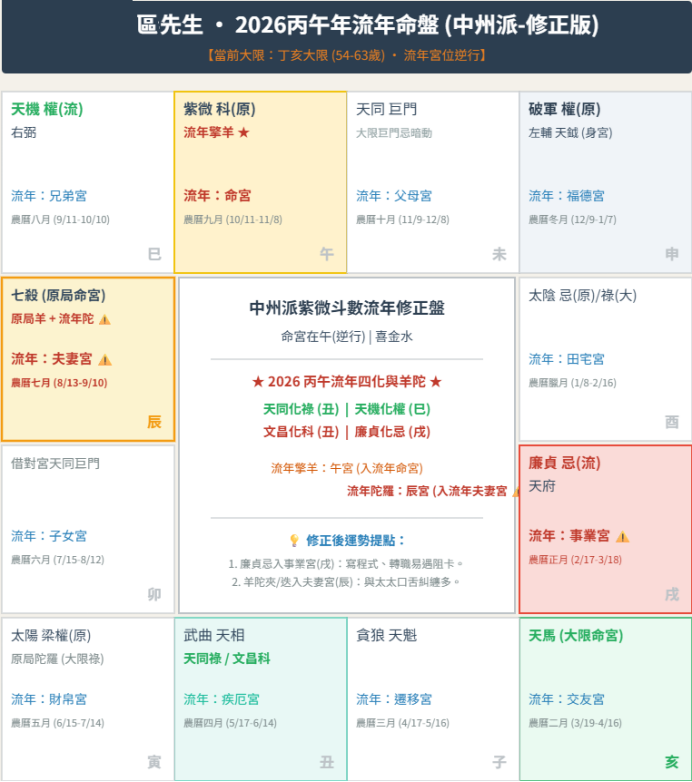
Abstract:
With the explosive advancement of Artificial Intelligence (AI) technology, Large Language Models (LLMs) have been widely deployed across various domains requiring complex textual analysis and logical deduction. This report explores the practical application of AI in the dual-system cross-reference analysis of traditional Chinese metaphysics—specifically, Ziping Bazi and the Zhongzhou Sect of Zi Wei Dou Shu. Through rigorous, in-depth testing of Microsoft Copilot, OpenAI ChatGPT, and Google Gemini, this study evaluates and compares their strengths and weaknesses across critical dimensions, including chart generation precision, error-correction speed, daily/monthly dynamic projection accuracy, and academic logical reasoning.
The empirical findings demonstrate that Google Gemini significantly outperforms the other two AI tools in comprehensive astrological analysis, showcasing superior practical value, intellectual depth, and academic reliability. Consequently, Gemini stands out as the premier choice for modern AI-driven metaphysical analysis.
This project reflects my interest in AI analysis and Traditional Chinese Astrological and Metaphysical Analysis.
I’d welcome any feedback or discussion.
💡 Note on Language:
The full research report is written in Chinese as the primary target audience for this localized metaphysical framework is Chinese-speaking researchers and practitioners. However, the document is fully compatible with modern AI translation infrastructure. If you are an international reader, you can easily translate the complete text into your preferred language using Google Translate, DeepL, or any advanced LLM tool.
Full report link:
AI技術於中國傳統命理學之應用與工具對比報告 – Information Technology Manage Factory 管理廠房資訊科技系統