We have better take care of our body in order not to burden our lover, family and society due to illness.
Sincerely Recommend Spooky2/MiraMate/Lifewave Frequency Health Care devices, we also has professional nurse to provide health care and nutrition advice (Inquiry Click Here).
Frequency fatigue means that your body has been subjected to too much frequency treatment for too long. It becomes the noise of your body. Frequency fatigue will not give you any obvious symptoms, except that it has no effect, causing any recent effective recurrence of pain or disease. Herex Reaction is when your body is overwhelmed by the toxins trapped in the cells, and it is not released immediately, you may feel nausea, dizziness and discomfort., etc
Suffering from frequency fatigue and Herxheimer’s reaction (Herx Reaction), you should turn off the frequency machine first, frequency fatigue will be eliminated relatively quickly (maybe several hours), and Herxheimer’s reaction (Herx Reaction) may It should be closed for more than a day or longer, which proves that the frequency therapy is responsive to your body, which may be a good thing. After returning to normal, you can consider continuing to use the frequency therapy.
Cataracts form when the lens in the eye is naturally cloudy, and this happens when the protein in the lens gathers together instead of maintaining a uniform distribution. The lens is a transparent layer that focuses light and images on the retina. If the lens is cloudy, it will be difficult for you to see things clearly. In severe cases, cataracts can also interfere with your daily activities, such as driving, reading, recognizing faces, and even blindness if not treated properly.
Due to the natural dysfunction of the aging lens, the elderly have a high chance of developing cataracts, which means that as we age, we are at a higher risk of developing cataracts. According to US statistics, 68% of people aged 80 and over suffer from cataracts. When the cataract is mild, you may not have any symptoms. However, they will cause your vision to change as the size increases:
Blurred vision
It’s getting harder and harder to see things at night
Sensitive to light and glare
See the “halo” around the lights
Monocular diplopia
Color looks faded
Frequent changes in glasses
How to treat cataracts?
Once you find that you have one or more of the above symptoms, it is best to find time to see an ophthalmologist, please do not ignore them, otherwise, as the symptoms become more complicated, they may seriously interfere with your life. In fact, lifestyle changes and reduced sun exposure can protect your eyes and delay cataracts, for example, eating healthy food, wearing sunglasses and a hat, and quitting smoking. If you have cataracts or want to reduce the risk of cataracts, or in the early stages, you may be able to make some small changes in your lifestyle to control your cataracts. You can follow the steps in daily life:
Use brighter lights at home or workplace
Wear anti-glare sunglasses
Use magnifying glass for reading and other activities
Surgery
Lens replacement surgery is an effective and common method to treat cataracts. If the cataract starts to cause vision loss that affects daily activities, it can be surgically removed and implanted with an artificial lens, which usually improves vision significantly.
Lens replacement surgery is currently considered the only way to get rid of cataracts. However, it cannot completely improve or restore your vision. In addition, due to the high cost of surgery and painful recovery period, it is not always the first choice for most people. Frequency therapy is an alternative therapy to assist in the treatment of cataracts. It does not have any side effects. If you plan to use natural methods to improve your vision problems at a lower cost, frequency therapy may be the right choice for you.
How to treat cataract via Spooky2
Spooky2 has the world’s largest frequency database, which includes many beneficial frequencies. You can use these frequencies to heal yourself or your family. Here, we list some programs that reduce the number of cataracts and relieve symptoms, which may bring you Effect.
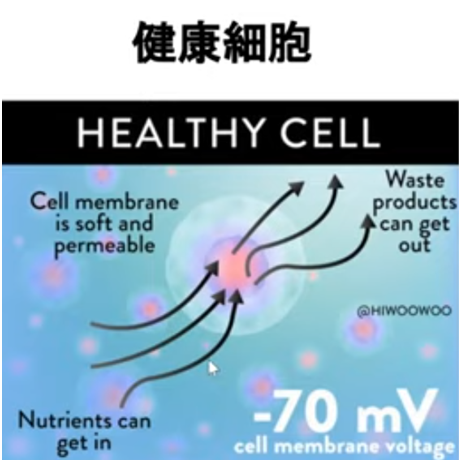
When Heavy metals and other toxic substances enter your body, they may get trapped inside the cells, because the permeability of the cellular wall allows them to enter the cell, but not to exit. Cell has a vibrational frequency just like everything else. Hit the correct frequency and it starts to move within the cell so the cell can clean it out and send it on its way. So, when you vibrate the cells at a appropriate frequency, miraculously the permeability of the cellular wall changes, then those heavy metals and other toxins accumulating on the inside of the cell are allowed to escape. At this moment, your body’s excretion systems can deal with these toxic material getting rid of and excreting them through the urine, bowel movements, sweat, and even breath.
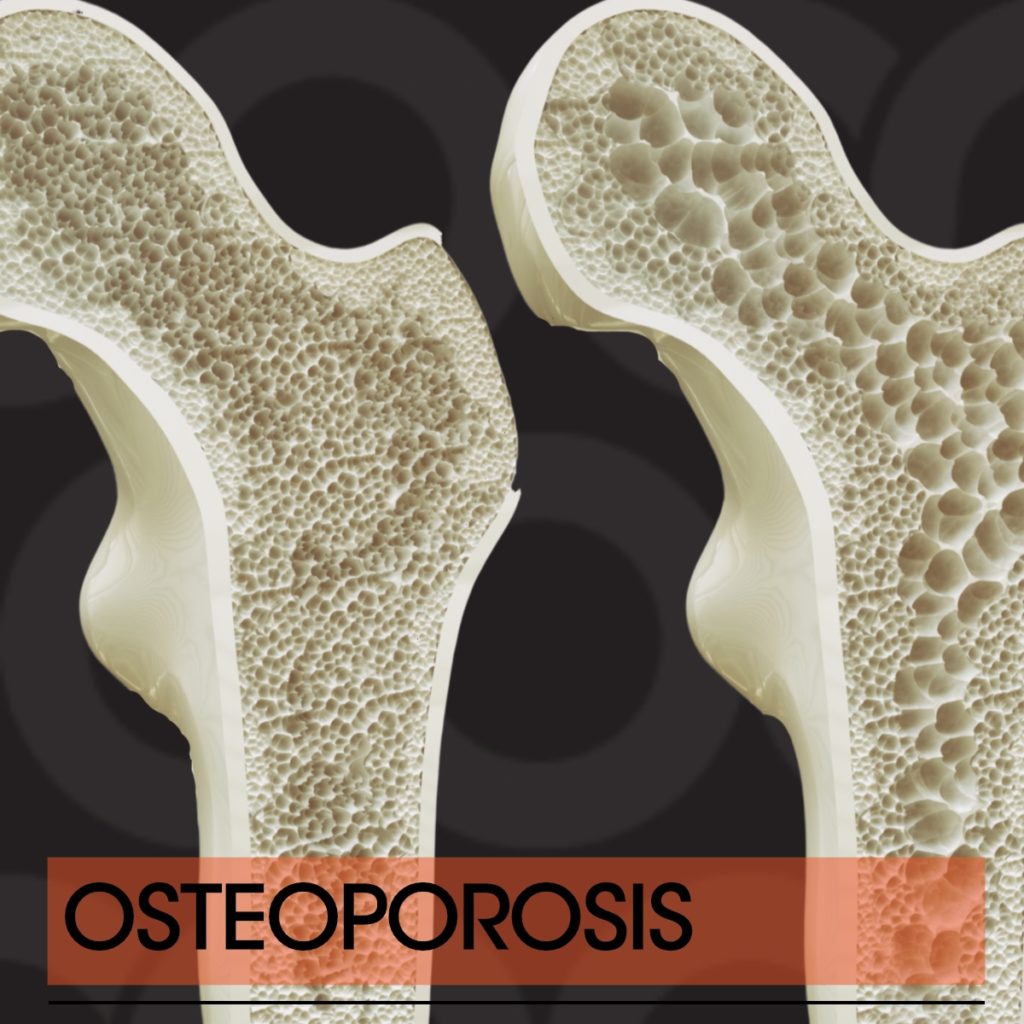
Osteoporosis is a systemic disease that involves the entire skeletal system of our body. It is characterized by low bone mass and degeneration of the microstructure of bone tissue. Therefore,osteoporosis increases the risk of bone fragility and fractures. According to the latest statistics, thousands of people suffer fractures from this disease every year. The most typical fractures caused by osteoporosis are femur, vertebrae and wrist fractures. In patients with osteoporosis, even minor falls or daily activities (such as twisting and bending) can cause fractures.
Osteoporosis mainly occurs in the elderly, especially elderly women. In women, the main cause of osteoporosis is estrogen deficiency, most often associated with menopause and decreased ovarian function. In men, androgens play an important role in causing bone loss and osteoporosis. In addition, osteoporosis may be caused by malignant tumors, metabolic abnormalities, gastrointestinal diseases, exposure to certain drugs, smoking, and excessive alcohol consumption.
Taking into account the increasing number of elderly people in the world, the severity of osteoporosis and the difficulty of treatment have become a major problem in the public health situation. Patients with osteoporosis often suffer from pain, disability, loss of independence and shortened lifespan. A multi-component exercise program based on strength, aerobic and/or weight training is beneficial to the treatment and prevention of osteoporosis. Unfortunately, due to common complications associated with aging, such as muscle weakness, advanced osteoarthritis, neurological diseases, and balance disorders, some patients have limited exercise capabilities. These patients believe that their only option is to take anti-osteoporosis drugs, which often have several obvious side effects. Today, pulsed electromagnetic field therapy, also known as PEMF therapy, has been shown to have a positive effect in the treatment of osteoporosis.
How does PEMF therapy treat osteoporosis?
PEMF therapy is a natural non-invasive method that can help treat osteoporosis. It can stimulate the regeneration of bone tissue and slow down the decline of bone density. On the other hand, PEMF therapy can promote metabolism and slow the loss of bone minerals.
The improvement of pulsed electromagnetic field therapy on osteoporosis can be explained by a variety of mechanisms. Two main types of cells can affect bone density. Osteoclasts can absorb or take away old and worn bones, and osteoblasts can build new ones. skeleton. PEMF therapy stimulates bone formation by simultaneously increasing osteoblast activity and reducing osteoclast formation, thereby turning the metabolic process to bone osteogenesis. PEMF therapy can also enhance the conversion of fibrocartilage to bone cells and increase ion calcium channels. In addition, PEMF therapy increases the blood supply to the application site, which is believed to improve bone healing. In addition, PEMF therapy has an inhibitory effect on the resorption phase of wound healing that leads to early callus formation. PEMF therapy can save many elderly people from undergoing surgery. Therefore, some people recommend PEMF therapy as the first-line treatment for osteoporosis.
In Italy, researchers removed the ovaries of rodents and studied the effects of pulsed electromagnetic field therapy on postmenopausal osteoporosis. These rodents were exposed to pulsed electromagnetic fields for 1 hour every day for 4 months. As a result, the researchers found that PEMF therapy effectively slowed the rodent’s bone loss.
Researchers also studied the effects of PEMF therapy on osteoporosis around the knee joints of patients with chronic spinal cord injury. Spinal cord injury itself may accelerate the deterioration of the disease. The researchers used the bone mineral density (BMD) before treatment as the baseline, and compared the BMD before treatment with 3 months, 6 months, and 12 months after treatment. At 3 months of treatment, the BMD of the stimulated knee joint increased 5%, the BMD of the untreated knee joint decreased by 6%; 6 months after the end of the treatment, the BMD of the stimulated knee joint and the untreated knee joint returned to close to the baseline value; 12 months after the end of the treatment, the bone quality of both knees The wastage rate was similar, with the stimulated knee joint being 2% lower than the baseline and the untreated knee joint being 3.6% lower than the baseline. This shows that pulsed electromagnetic field therapy can improve osteoporosis, and the treatment of this disease is a long-term process. In addition, PEMF treatment should not only target a single bone location, but the entire body to obtain the best therapeutic effect.
Why choose Big Magic Mat to improve osteoporosis?
A large number of studies have shown that PEMF therapy can effectively prevent and treat osteoporosis. Osteoporosis involves the entire bone, and the risk of fractures in any part of the body will increase. Therefore, long-term systemic treatment is recommended. Big Magic with PEMF Mat is the best choice for osteoporosis treatment.
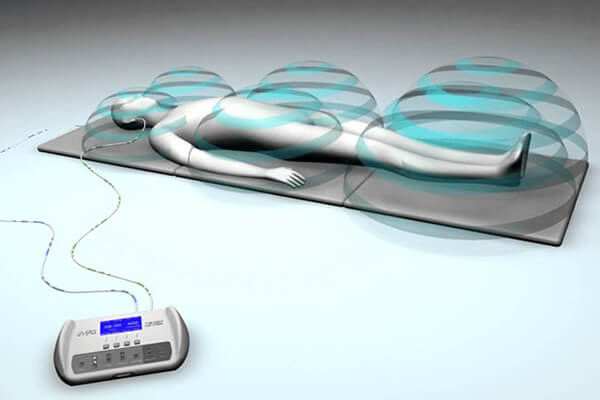
Big Magic is safe to use and has no hidden dangers for long-term treatment. It replicates the natural frequency of the earth, called Schumann resonance. This magical frequency perfectly matches the frequency of our body, thoughts, tissues and cells. It can use the power of nature to balance the body and improve osteoporosis. Most existing PEMF devices only apply a single pulse in the same direction. After a long-term treatment, the cells and the body are charged in one direction and will not be neutralized, which is not good for health. Big Magic is very special. It changes direction every ten minutes, so your body will remain balanced and will not be magnetized. The Big Magic Mat is flexible and practical, and it is long enough for whole body treatment. In addition, the material of the mat is PVC, which is safe, comfortable and durable. You can put it under the bed sheet during overnight treatment. All in all, we recommend combining Big Magic with adequate nutrition, supplements, exercise, and proper hormone balance or replacement. These treatment combinations have been shown to have a positive effect on osteoporosis.
Pathogen is abbreviated as pathogen. In biology, in the oldest and broadest sense, it is anything that can cause disease. Pathogens can also be referred to as infectious agents, infectious agents or pathogens, which generally refer to organisms and non-living organisms that can cause disease. Generally, the term pathogen is used to describe “infectious” microorganisms or vectors, such as viruses, bacteria (pathogens), fungi, protozoa, nematodes, parasites, viroids, and prions. Non-biological pathogenic factors are not called pathogens (for example: heavy metals, various chemical toxins, haze, pollution, etc.). Pathogens can invade the host through several pathways, the main pathways have different time frames for the occurrence of events, but the soil has the longest or longest potential pathogen potential. The transmission of pathogens occurs through many different routes, including airborne transmission, direct or indirect contact, sexual contact, through blood and breast milk or other body fluids, and through the fecal-oral route.
Tiny animals, such as certain types of worms and insect larvae, can also produce diseases. However, we usually call these animals parasites rather than pathogens. In the scientific research of microscopic organisms, diseases including microscopic pathogenic organisms are called microbiology, and the research of diseases that may include these pathogens is called pathology. Parasitology is also the scientific research on parasites and their host organisms. The types of pathogens include the following:
1. Prions
Prions are misfolded proteins and can transfer their misfolded state to other normally folded proteins of the same type. They do not contain any DNA or RNA, and cannot replicate except to convert existing normal proteins into a misfolded state. These abnormally folded proteins have typical features in certain diseases, such as scrapie, bovine spongiform disease (mad cow disease) and Creutzfeldt-Jakob disease.
2. Viral
Viruses are tiny particles, usually between 20 and 300 nanometers in length [8], and contain viral RNA or DNA. Viruses need the cells of the host to replicate. Some diseases caused by viral pathogens include smallpox, influenza, mumps, measles, varicella, Ebola hemorrhagic fever, human immunodeficiency virus and rubella, severe acute respiratory syndrome coronavirus (SARS-CoV), Middle East Respiratory Syndrome Coronavirus (MERS-CoV), 2019 Novel Coronavirus (2019-nCoV), etc. The pathogenic viruses mainly come from the following families: Coronavirus, Adenovirus, Picornaviridae, Herpesviridae, Hepatoviridae, Flaviviridae, Retrovirus, Orthomyxoviridae, Paramyxoviridae, Papilloma Vacuolaviridae, Polyomaviridae, Cannonballviridae, and Togaviridae. The AIDS virus (HIV) is an important member of the retroviral family, and the disease affected 37.9 million people worldwide in 2018.
3. Bacterial
Most bacteria are between 0.15 and 700 μM in length [10], which is beneficial or harmless to humans. However, a relatively small number of pathogenic bacteria can cause infectious diseases. Pathogenic bacteria can cause disease in many ways. They can directly affect the host’s cells, produce endotoxins to destroy the host’s cells, or cause a strong enough immune response to cause the host’s cells to be destroyed. Tuberculosis, one of the bacterial diseases, is the most burdensome. It is caused by Mycobacterium tuberculosis and caused 1.5 million deaths in 2013, mainly in sub-Saharan Africa. Pathogenic bacteria cause other major global diseases, such as pneumonia caused by bacteria of the genus Streptococcus and Pseudomonas, and bacteria that cause food poisoning such as Shigella, Campylobacter and Salmonella. Pathogenic bacteria also cause infections such as tetanus, typhoid fever, diphtheria, syphilis and leprosy.
4. Fungi
Fungi are eukaryotes that can act as pathogens. There are about 300 species of fungi known to be pathogenic to humans [12], including Candida albicans, the most common cause of thrush, and Cryptococcus neoformans, which may cause severe meningitis. The typical fungal spore size is <4.7μm, but some spores may be larger.
5. Algae
Algae are single-celled plants, and although pathogenic variants do exist, they are usually not pathogenic. Protothecosis (Protothecosis) is a disease found in dogs, cats, cattle and humans. It is caused by a type of chlorophyll-deficient green alga (called stratum corneum).
6. Other parasites
Some eukaryotes, including many protozoa and worms, are human parasites.
Their treatment methods are as below:
1. Prions
Despite many attempts, no therapy can be shown to prevent the progression of prions.
2. Viruses
For certain viral pathogens, there are multiple prevention and treatment options. Vaccines are a common and effective preventive measure against many viral pathogens. Vaccines can stimulate the host’s immune system to respond, so when a potential host encounters a virus in the wild, its immune system can quickly defend against infection. There are vaccines against viruses including measles, mumps, rubella virus and influenza virus. There are currently no vaccines available for certain viruses such as HIV, dengue virus and chikungunya.
The treatment of viral infections usually involves treating the symptoms of the infection, rather than providing any drugs that affect the viral pathogen itself. Treating the symptoms of a viral infection is to allow the host’s immune system time to develop antibodies against the viral pathogen, thereby clearing the infection. In some cases, the virus must be treated. One example is HIV, which requires the use of antiretroviral drugs, also known as ART or HAART, to prevent the loss of immune cells and the further development of AIDS.
3. Bacteria
Similar to viral pathogens, infections with certain bacterial pathogens can be prevented by vaccines [28]. Vaccines against bacterial pathogens include anthrax vaccine and Streptococcus pneumoniae vaccine. Many other bacterial pathogens lack vaccines as a preventive measure, but these bacterial infections can usually be treated or prevented with antibiotics. Many other bacterial pathogens lack vaccines as a preventive measure, but these bacterial infections can usually be treated or prevented with antibiotics. Common antibiotics include amoxicillin, ciprofloxacin/dexamethasone, and dexamethasone. Each antibiotic has an effective antibacterial effect, and has a different mechanism to kill bacteria. For example, doxycycline inhibits the synthesis of new proteins in gram-negative and gram-positive bacteria, leading to the death of the affected bacteria.
Due to excessive prescriptions without antibiotics, some bacterial pathogens have developed resistance to antibiotics and are becoming difficult to treat with traditional antibiotics. A type of Staphylococcus aureus called MRSA is an example of a bacterial pathogen that is difficult to treat with common antibiotics. The Centers for Disease Control (CDC) estimated in a report released in 2013 that at least 2 million people in the United States are infected with drug-resistant bacteria each year, and at least 23,000 people die from these infections.
4. Fungi
Infections by fungal pathogens can be treated with antifungal drugs. Fungal infections such as tinea pedis, tinea corporis and dermatophytosis are all skin infections, which can be treated with topical antifungal drugs, Kezima Nilai. Other common fungal infections include the yeast strain Candida albicans. Candida can cause oral or throat infections, commonly called thrush, or candida vulvovaginitis. These internal infections can be treated with antifungal creams or oral medications. Commonly used antifungal drugs for internal infections, including echinocandin series drugs and fluconazole.
5. Algae
Algae are not generally considered pathogens, but the protozoan genus is known to cause disease in humans. The treatment method for this infection is currently being studied, and there is no consistent treatment method in clinical treatment.
Pathogens are transmitted during sexual contact with animals
Many pathogens can be spread through sexual contact. In pathogenic bacteria, through the process of natural genetic transformation, the transformation between cells of the same species can occur through sexual contact. Transformation involves the transfer of DNA from the donor cell to the recipient cell, and then through genetic recombination, the DNA of the donor cell is integrated into the recipient’s genome. Examples of bacterial pathogens that can be transformed naturally are: Helicobacter pylori, Haemophilus influenzae, Legionella, Neisseria gonorrhoeae, and Streptococcus pneumoniae.
Eukaryotic pathogens can often interact sexually through processes involving meiosis and gametogenesis. Meiosis involves the reorganization between them, and the reorganization between them. Examples of sexually capable eukaryotic pathogens include: protozoan parasite protozoa infection, Plasmodium falciparum, Toxoplasma, Trypanosoma brucei, Giardia lansii, and the fungi Aspergillus fumigatus, Candida albicans and Cryptococcus neoformans.
When two or more viral genomes enter the same host cell, the viruses may also interact sexually. This process involves the pairing and recombination of homologous genomes, and this process between them is called “multiplicity reactivation.” Viruses undergoing this process include herpes simplex virus, human immunodeficiency virus and vaccinia virus.
The sexual process in bacteria, microbial eukaryotes and viruses all involve the recombination of homologous genomes, causing damage to the pathogen’s genome through the defense of their respective target hosts, which seems to promote the repair of genome damage.